AfriScout Regen

Coordinated grazing that restores rangelands

Photograph: © Steven Wade Adams

AfriScout Regen

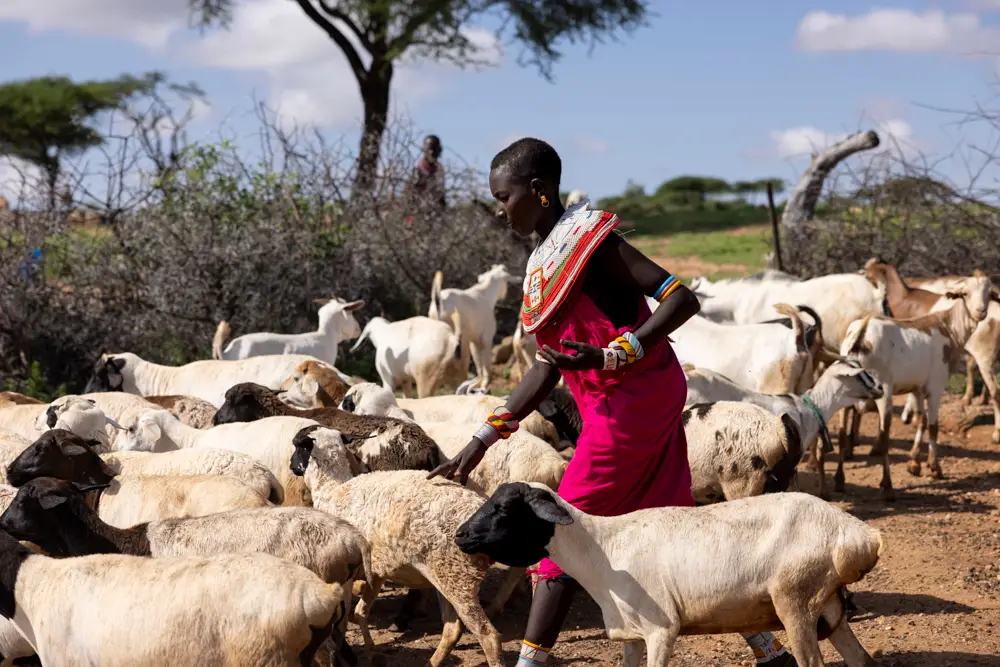
Across Africa’s drylands, pastoralist communities manage vast shared grazing lands. When these landscapes are healthy, they support livestock, wildlife, and the long-term stability of pastoral economies.

But restoring degraded rangelands across large landscapes is complex. It requires coordination across communities, reliable information about pasture conditions, and systems that guide grazing decisions over time.

AfriScout Regen works with pastoral communities to meet this challenge.

The initiative combines time-honored grazing practices with digital tools that help communities plan how livestock move across shared landscapes. Satellite data, mobile technology, and emerging AI analysis provide insights into pasture conditions, while local governance systems guide how grazing plans are implemented.

By helping communities coordinate grazing decisions, AfriScout Regen supports healthier grasslands while maintaining productive herds.

Photograph: © Steven Wade Adams

How AfriScout Regen Works

Training
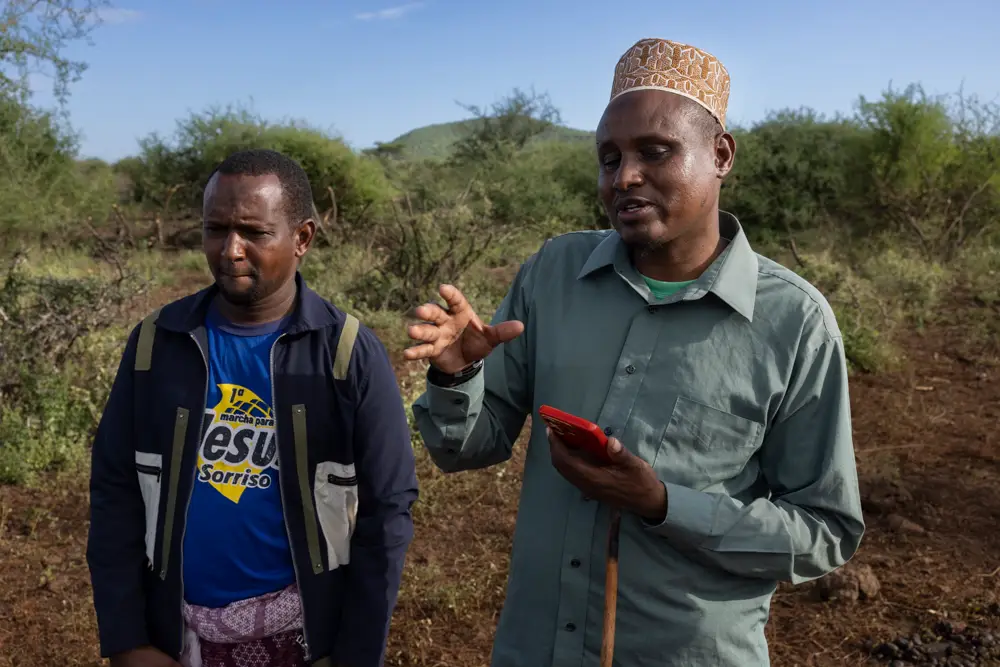
The AfriScout team provides a 3-day, intensive training within communities that helps them learn and explore how land has degraded over time and how they, using only their herds, knowledge of the land, and some novel practices, can transform those landscapes back into thriving ecosystems.

Adaptive grazing plans
Communities develop digitized large-scale grazing “paddocks” and plan movements between them in ways that optimize regeneration. These plans are adaptive and can be updated as conditions change.

Real-time pasture monitoring
Pasture conditions are tracked using satellite data, user reports, and emerging AI-informed analysis, providing communities with clearer insight into vegetation health across their landscape.

Digital tools for rangeland managers
A web-based management platform allows local leaders and technical advisors to monitor grazing performance and update plans in real time.

Movement notifications
Pastoralists receive in-app and text notifications about upcoming herd movements. These reminders help communities maintain adherence to shared grazing plans.

Field-based technical support
AfriScout field agents and technical advisors work alongside pastoralist communities to support implementation and strengthen local governance around rangeland management.

Together, these features help communities manage grazing in ways that restore grasslands while sustaining productive herds.


A Large-Scale Regenerative Grazing Initiative

AfriScout Regen has been developed through a large-scale implementation in southern Ethiopia that allows tools and practices to evolve alongside pastoralist experience.

This initiative currently spans:

  • 1.3 million+ hectares of shared grazing land
  • 70 Regenerative Grazing Units (pastoralist communities)
  • 44,000+ pastoralist households

Communities, field agents, and technical advisors continuously manage and update plans based on their knowledge of the area, changes in conditions, and grazing needs. This ensures the approach reflects both ecological conditions and pastoralist priorities.

Access case study here:

AFRISCOUT REGEN CARBON PROJECT: 
Restoring rangelands while building a pathway to climate finance

Photograph: © Steven Wade Adams

Evidence from the Field

Early results show measurable improvements in both rangeland management and pastoral livelihoods.

Stronger grazing governance

  • Communities using AfriScout Regen are 90.6 percentage points more likely to have a shared grazing plan with strong adherence.
  • They are 80 percentage points more likely to feel confident managing their rangelands collectively.

Improved pasture conditions

  • Communities are 80 percentage points more likely to report satisfaction with pasture quality.

Healthier herds

  • Pastoralists are 70 percentage points more likely to report improvements in herd condition.
  • Livestock are 33 to 44 percentage points more likely to be in good condition. Average value of Regen herds is $2,600 USD higher than in control communities.

Reduced conflict

  • Users are 31 percentage points less likely to report conflict in the past six months.
  • Communities are 61 percentage points more likely to report declines in resource-related conflict.

Greater livelihood stability

  • Pastoralists are 43 percentage points more likely to view pastoralism as a viable long-term livelihood.

Supporting Climate Outcomes in Grassland Ecosystems

Healthy grasslands play a critical role in storing carbon in soils and vegetation.

When grazing is effectively managed across large landscapes, rangelands can regenerate plant cover, improve soil health, and increase long-term carbon storage.

AfriScout Regen is working to measure and verify these outcomes. By tracking ecological improvements associated with regenerative grazing, the initiative aims to generate high-integrity carbon credits that can help support long-term rangeland restoration.

This approach connects climate finance with pastoralist stewardship and supports both landscape recovery and pastoral livelihoods.

Photograph: Genaye Eshetu
Contact

    Please complete the following details
    and a member of our team will be in touch.