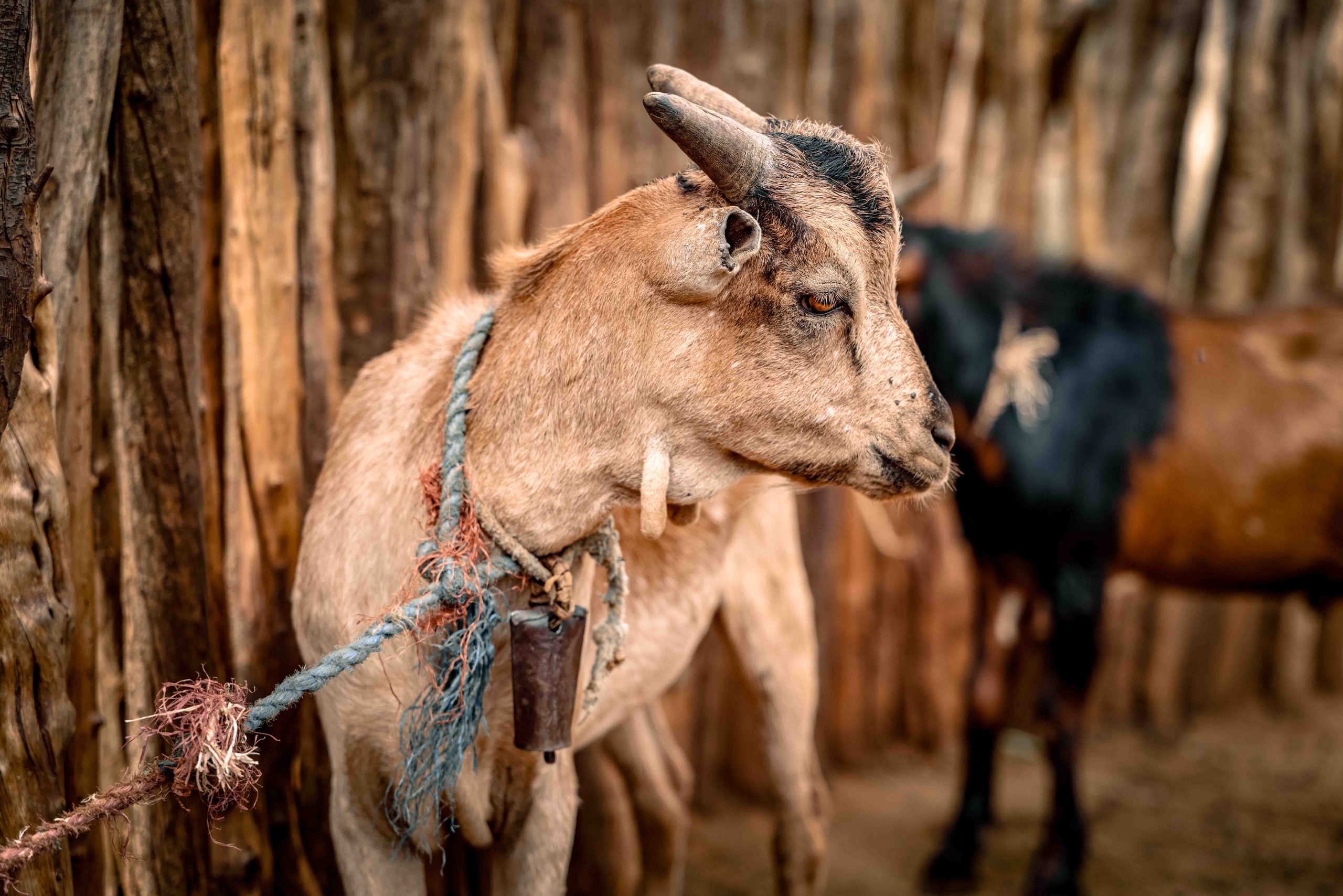

The AfriScout Regen Carbon Project in Ethiopia is a large-scale rangeland restoration initiative. It supports pastoral communities in implementing coordinated grazing practices that improve pasture health, strengthen livestock productivity, and increase carbon storage in soils and vegetation.
By measuring and verifying these outcomes, the project aims to generate high-integrity carbon removal credits that support long-term restoration and pastoral livelihoods.
Today the initiative spans more than 1.3 million hectares of rangeland, over 44,000 pastoralist households, and 1 million animals, making it one of the largest regenerative grazing initiatives in the world.
AfriScout began as a digital platform that helps pastoralists make better grazing decisions through satellite-informed maps and community alerts.
Early research showed that 68% of AfriScout users improved pasture management simply by using this information.
This raised an important question: If better information alone could improve grazing outcomes, what might be possible through a coordinated, science-driven approach to land management?
The AfriScout Regen Carbon Project was developed to explore that possibility.
Through AfriScout Regen, pastoral communities coordinate grazing across shared landscapes. This novel approach combines Adaptive Multi-Paddock (AMP) grazing with adaptive grazing plans, digital monitoring tools, and field-based technical support.
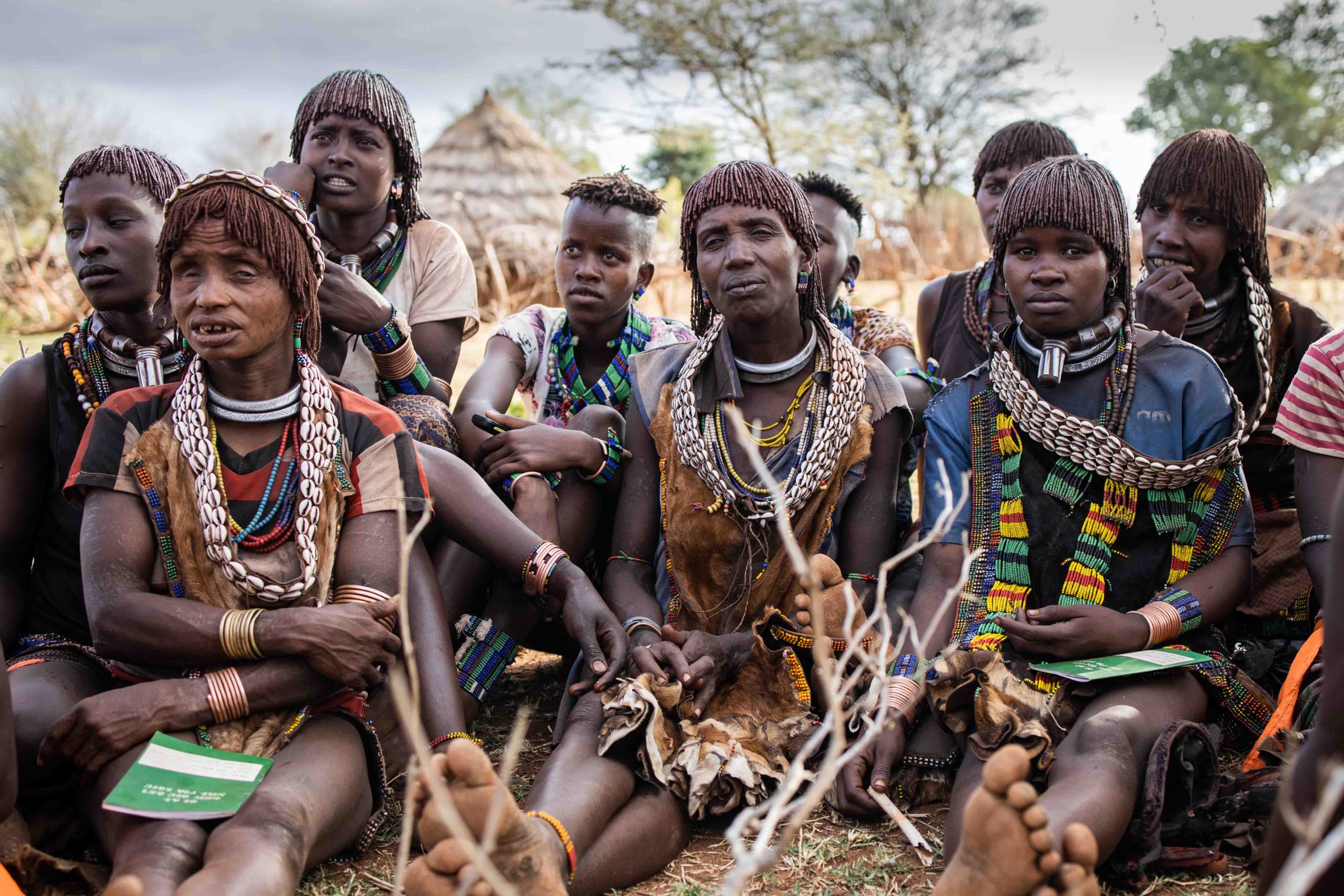
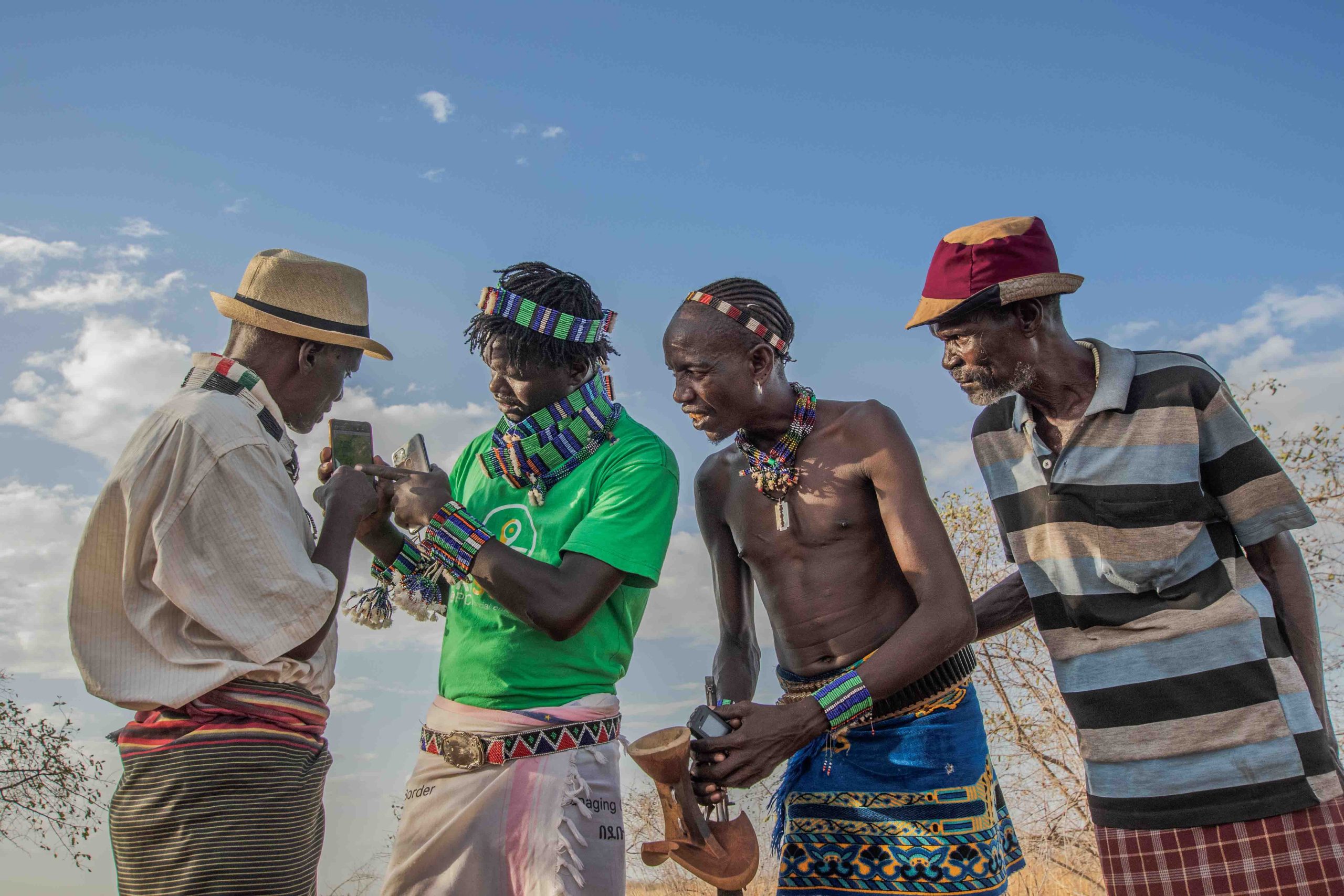
AfriScout Regen builds on the principles of AMP grazing — a regenerative approach that has shown strong results on private ranches — and applies it to the African pastoral context. The project is designed around the realities of communal land use, including unique customs, grazing practices, and customary land rights.
AMP grazing involves concentrating livestock at high densities for short periods, followed by longer rest cycles. This pattern mimics natural herd movements and can improve soil health, increase forage production, enhance water retention, and support biodiversity.
While AMP is typically applied on privately managed land with a singularly owned herd, applying it across vast communal rangelands stewarded by remote pastoral populations with multiple herds creates unique challenges.
The AfriScout Regen Carbon Project demonstrates how AMP can work across shared pastoral landscapes in ways that align with traditional practices and leverage technology. Through community governance systems, coordinated grazing plans, and digital decision-support tools, pastoralists are implementing regenerative grazing across territories that are hundreds of times larger than typical ranch-based systems.
Healthy grasslands store significant amounts of carbon in soils and vegetation.
By restoring degraded rangelands and improving grazing management, the Ethiopia Carbon Project aims to increase long-term carbon sequestration while strengthening pastoral economies.
Several elements support the integrity of the project:
Community-led governance
Pastoralist communities develop and manage grazing plans for their shared rangelands, guiding herd movements and helping ensure grazing pressure allows vegetation to recover.
Landscape monitoring
Satellite data and field observations track changes in vegetation health and grazing patterns across the landscape.
Digital coordination tools
AfriScout Regen supports grazing coordination, pasture monitoring, and reporting across large rangeland systems.
Carbon measurement and verification
The project is working with partners to measure and verify carbon sequestration under recognized carbon standards.
In 2026, AfriScout Regen was selected for the Carbon Accelerator Programme for the Environment (CAPE), a UK-backed initiative supporting high-integrity community-based carbon projects across Africa.
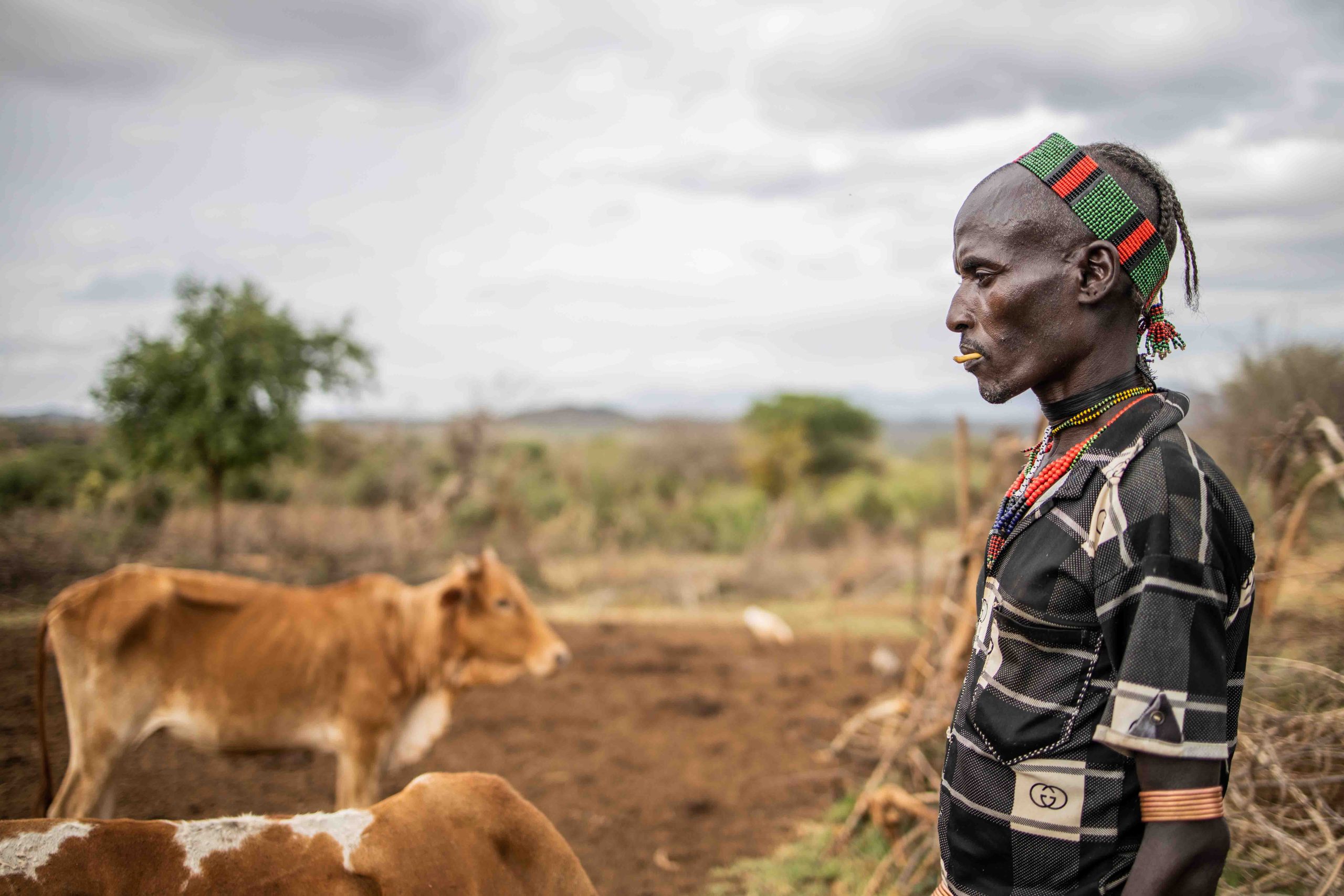
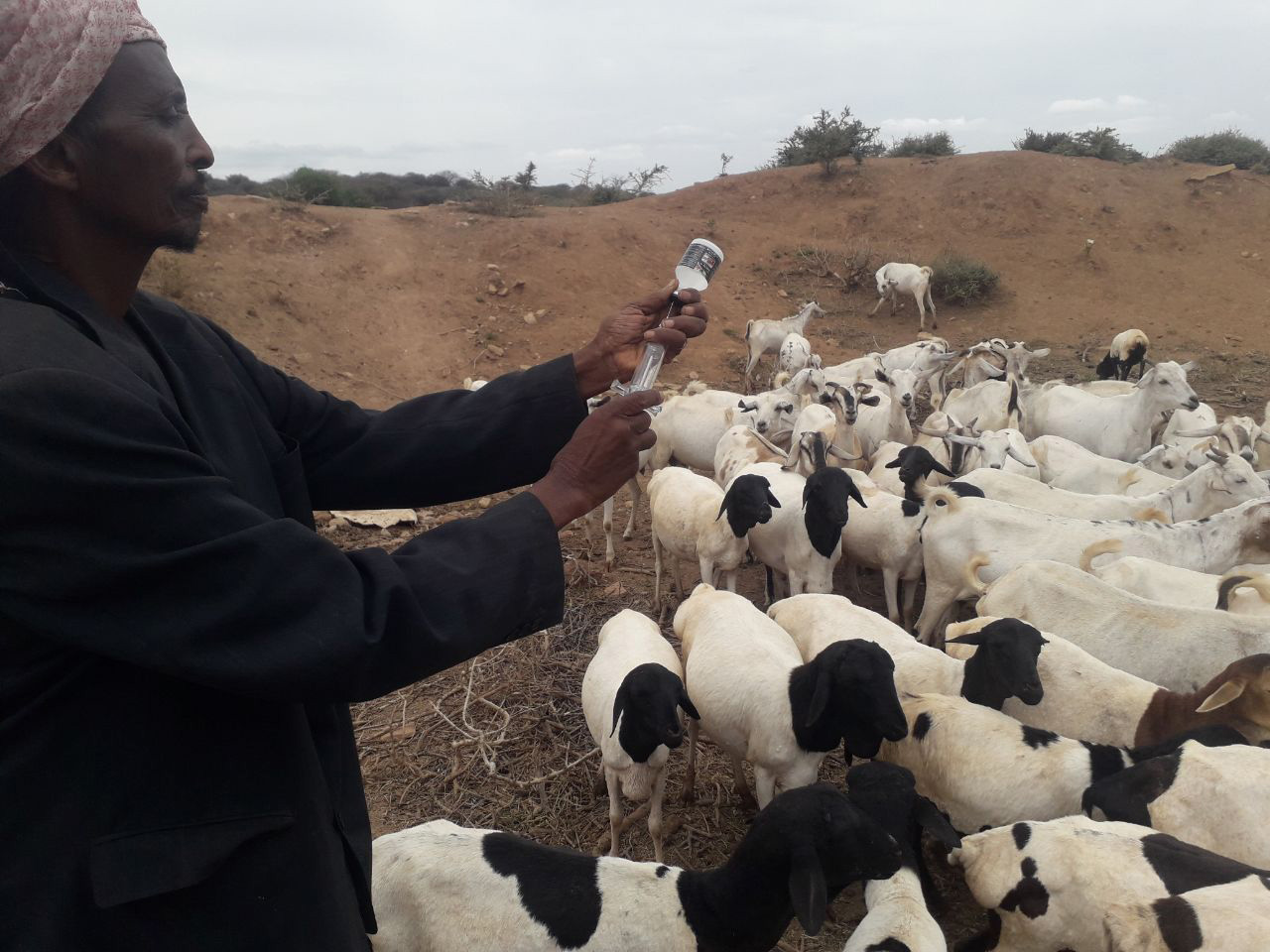
The AfriScout Regen Carbon Project is demonstrating how pastoralist-led land stewardship can restore degraded rangelands while strengthening pastoral livelihoods.
Across more than 1.3 million hectares, pastoral communities are coordinating grazing across shared territories and contributing to a growing body of evidence on regenerative grazing at landscape scale.
These efforts are helping improve pasture conditions, support healthier livestock, and create the foundation for long-term climate and ecosystem benefits.
The AfriScout Regen Carbon Project is testing a model that links pastoral stewardship, regenerative grazing, and climate finance.
If successful, it will show that pastoralist-managed grasslands can deliver measurable climate and ecological benefits while strengthening rural livelihoods.
This approach offers a pathway for scaling rangeland restoration across Africa’s drylands while ensuring that pastoralist communities remain central partners in managing the landscapes they depend on.